
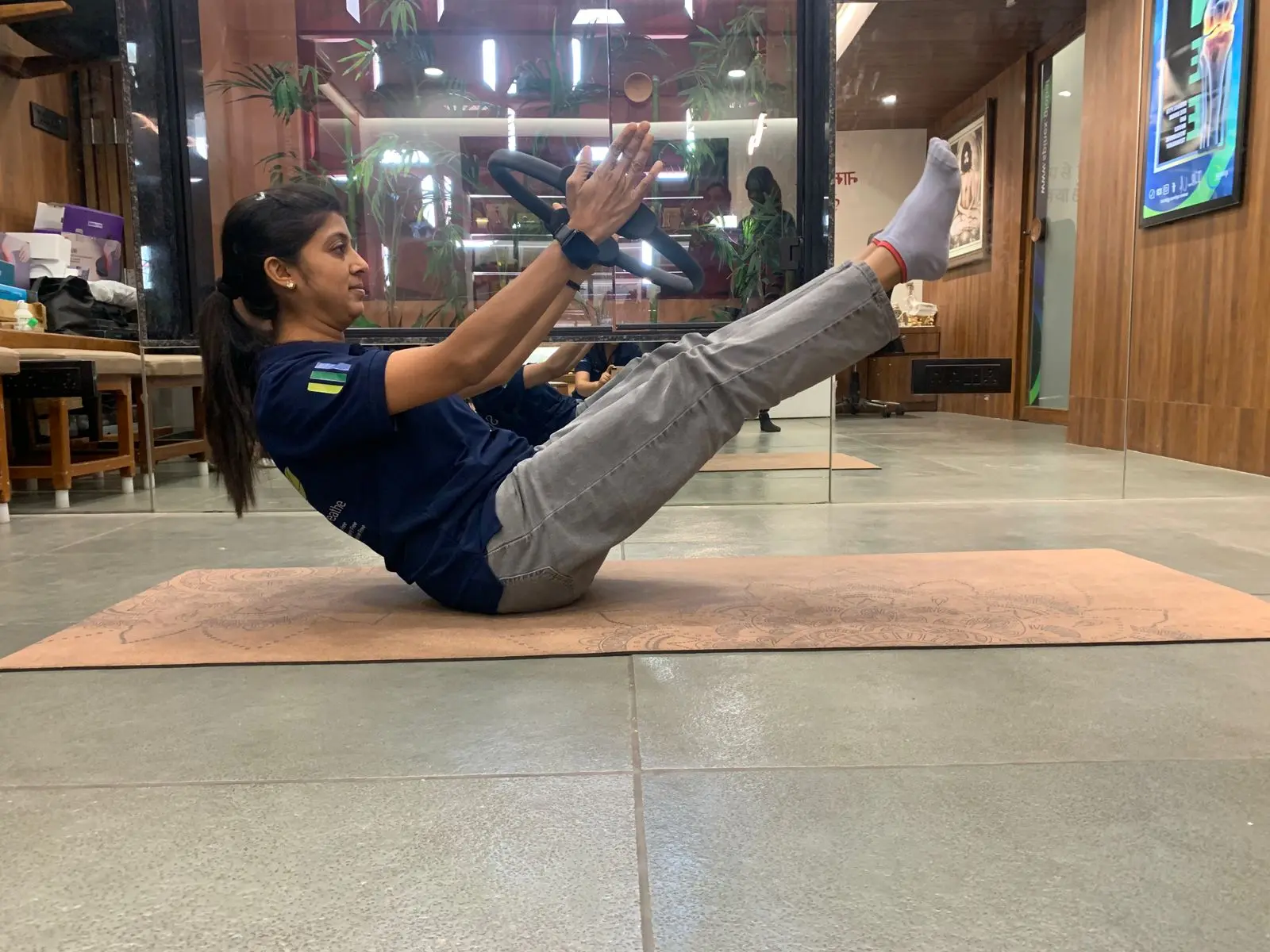
The Best Stretching for Benefits of Pilates
The Best Stretching for Benefits of Pilates Dr. Niraj Bhansali...
Dr. Niraj Bhansali
December 21, 2024


Knee pain can be caused by a variety of conditions, including arthritis, trauma, and overuse. While a correct diagnosis and treatment plan should be obtained from a healthcare professional, the following home treatments may help ease knee pain:
Rest: Avoid activities that make the pain worse. Activity Modification: Instead of high-impact activities like running, choose low-impact workouts like swimming or cycling.

Cold Therapy: Apply ice packs to the knee for 15-20 minutes two to three times each day to minimize swelling and pain
Heat therapy: involves using a warm towel or heating pad to relax muscles and promote circulation, which is especially beneficial for chronic pain or stiffness
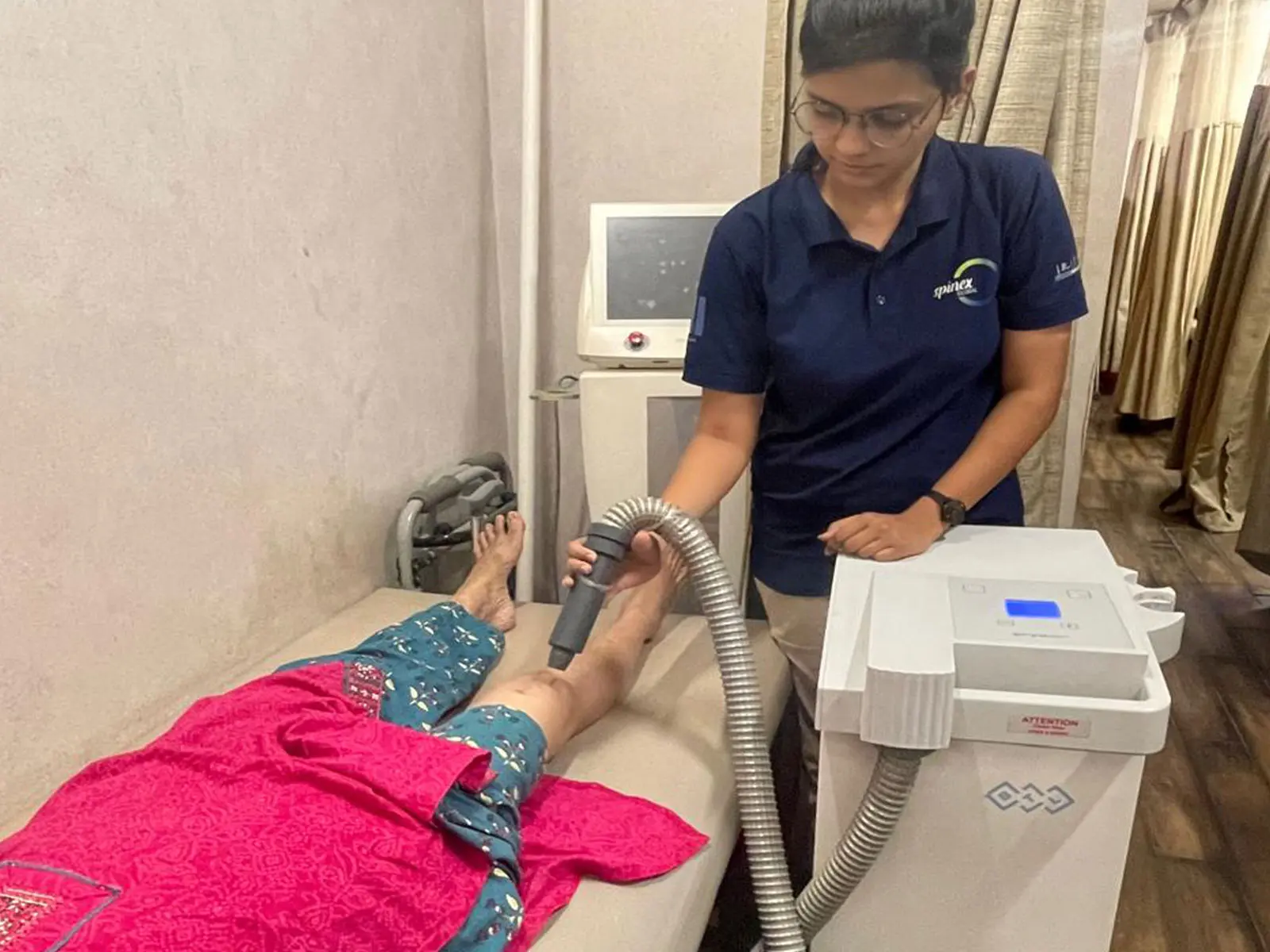

Wear an elastic bandage or knee brace to help support and decrease swelling. Elevating the leg while resting helps to minimize swelling by enabling fluids to flow away from the knee.
Essential oils: Eucalyptus and lavender oils are effective anti-inflammatory and pain relievers. Combine a few drops with a carrier oil and massage gently.
Anti-inflammatory Diet: To reduce inflammation, eat foods high in omega-3 fatty acids (such as salmon and flaxseed), antioxidants (such as strawberries), and turmeric.
Supplements: Before taking any new supplement, consult with your doctor
Strengthening Exercises: Perform activities to strengthen the muscles around the knee (quadriceps and hamstrings). Examples include leg lifts and wall sits.
Stretching: Leg stretch exercises can help increase flexibility and lessen knee discomfort. Concentrate on the quadriceps, hamstrings, and calf muscles.


Maintaining a healthy weight relieves pressure on the knees, reducing pain and preventing additional damage.
A gentle massage around the knee can improve circulation, reduce stiffness, and relieve discomfort. Apply light pressure and consider using massage oil for extra comfort.
Soaking in a warm bath or a hot tub can help to relax the muscles and joints, relieving pain and stiffness.
Ginger: Ginger is known for its anti-inflammatory effects and can be taken as a tea or applied topically as a paste with warm water.
Turmeric: Curcumin, the primary component in turmeric, has anti-inflammatory properties. It can be consumed as a supplement or used in cooking.
Wearing shoes with strong arch support and cushioning can help with knee pain, particularly if it is caused by prolonged walking or standing.

Maintain proper posture to avoid knee discomfort. Use supportive seating and avoid extended sitting or standing. Always contact a healthcare practitioner before beginning any new treatment, especially if you have underlying health concerns or if your knee pain persists.
Physiotherapy is generally suitable for most types of back pain. However, it's important to consult with a qualified physiotherapist to determine the most appropriate treatment plan for your specific condition.
The duration of treatment and the time to see results may vary depending on the severity and underlying causes of the back pain. Consistency with physiotherapy exercises and following the therapist's recommendations can contribute to faster recovery.
Physiotherapy aims to alleviate and manage back pain by addressing its root causes. While it can provide significant relief and improve overall function, the complete elimination of back pain may depend on the individual's specific condition.
When performed by a qualified professional, physiotherapy is generally safe and has minimal side effects. However, it's essential to communicate any discomfort or concerns with your physiotherapist during the treatment process.
In some cases, physiotherapy can be complemented with other treatments for back pain, such as medication or chiropractic care. It's crucial to consult with your healthcare provider or physiotherapist to determine the
The Best Stretching for Benefits of Pilates Dr. Niraj Bhansali...
The Best Stretching for Sciatica Pain Management Dr. Niraj Bhansali...
How physiotherapy can help alleviate back pain Dr. Niraj Bhansali...

